


Author: Rachel Kempf, Senior Technical Copywriter
Rachel Kempf is a Senior Technical Copywriter at Transmit Security who works closely with the Product Management team to create highly technical, narratively compelling assets for customers and prospects. Prior to joining the team at Transmit Security, she worked as Senior Technical Copywriter and Editor-in-Chief for Azion Technologies, a global edge computing company, and wrote and edited blog posts and third-party research reports for Bizety, a research and consulting company in the CDN industry.
Can Device Fingerprints Alone Provide Adequate Fraud Detection?

Device fingerprinting capabilities should be considered a key capability for any fraud detection service. But as fraudsters continue to develop new and sophisticated methods of evading detection, even the most robust fingerprinting must be combined with additional detection and response methods to distinguish trusted users from attackers and block fraud tactics that can be used […]
What Are Device Fingerprints and How Can They Be Used for Fraud Detection?

In the fight to stop fraud, security teams and analysts must use every tool in their arsenal — including device fingerprinting, a powerful risk and trust signal for detecting known malicious devices and anomalies that can indicate account takeover (ATO) and new account fraud. However, because device fingerprints are also commonly used for target advertising, […]
Revolutionizing Customer Identity Security with Generative AI

As cybersecurity experts, we don’t use terms like “revolutionize” very often. But generative AI is a massive technological leap that has the potential to impact every facet of our digital lives — especially cybersecurity and cyberattacks. It’s a double-edged sword, and you can be sure Transmit Security immediately saw the potential for the good…and the […]
Voice Authentication Will Not Survive the Rise of Generative AI

The exponential growth of generative AI in the past months has resulted in an increase in both the availability and efficacy of applications capable of cloning users’ voices — giving fraudsters the tools to bypass the voice authentication systems often used by financial enterprises to secure customer accounts. The rise of audio deepfakes has sent […]
Improving Account Opening with Identity Verification

In past years, a shift from in-person to online services has significantly impacted the financial industry, requiring a change in customer expectations and regulatory requirements for secure account opening. But just as online banking provides added convenience for customers to open accounts online, it enables customers to quickly abandon the account opening process in response […]
How to Consolidate Identity Vendors for Effective Cybersecurity
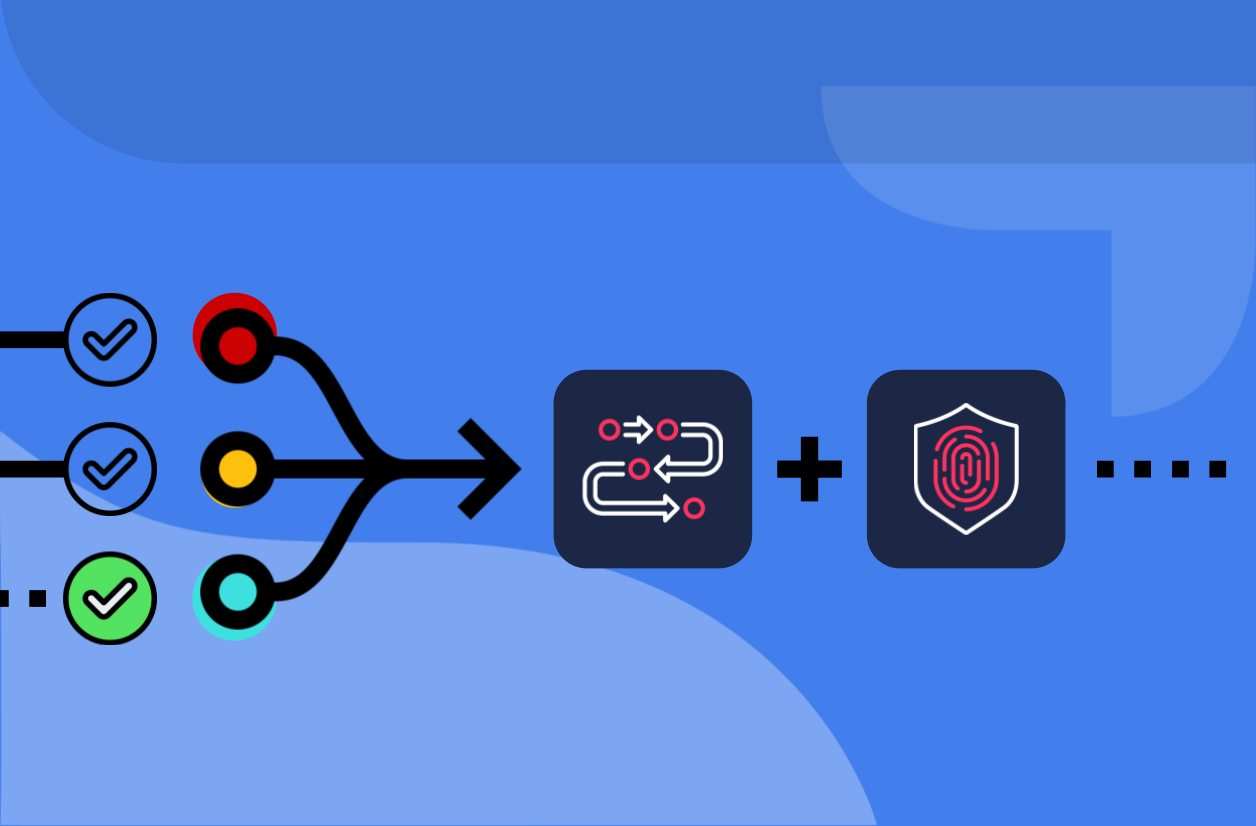
As cyber threats such as account takeover, new account fraud and credential-based attacks continue to increase, companies must be proactive in consolidating their identity and security vendors to ensure effective cybersecurity. Consolidating vendors allows for a context-aware, identity-first security posture that supports continuous policy assessment and zero trust. In the first post in this series, […]
Top 2023 Cybersecurity Trends for Strengthening CIAM

When it comes to cybersecurity, it’s not a matter of whether you’ll be targeted, but rather when and how. Simply being a target is now a given. As security threats become more sophisticated and data breaches more frequent, security and identity leaders must remain vigilant and stay ahead of the curve. In 2023, we’re not […]
Simplify and Strengthen Identity Security with Vendor Consolidation

When it comes to identity security, the stakes are high. A single data breach can result in significant financial losses, regulatory fines, and damage to a company’s reputation — prompting many companies to pursue a multi-vendor strategy with a proliferation of vendors, each offering their own unique set of features and services. However, managing identity […]
Detection and Response with iOS and Android SDKs

With the increased usage of mobile devices for sensitive transactions, including banking and working, the threat of mobile device fraud has grown significantly, requiring the use of advanced detection methods to distinguish between legitimate and fraudulent users on mobile devices. In our last blog in this series, we discussed the growing threat of mobile fraud, […]